
To a woman that give us so much for what we have today.
Source: claudiatremblay at Etsy

Source: claudiatremblay at Etsy

“What about a family road trip?” my dad asked. He and my mom talked about driving down the Pacific Coast Highway after hearing some friends rave about their experience. Both of them expected my sister and me to come along by starting in San Francisco where we picked them up from the airport. Of course, we agreed. With our parents living on the East Coast, their visits were already infrequent. We hoped that by showing them the beauty of California, we might convince them to move here.
I also knew full well that once we assented, we would take over the planning of the itinerary and the scheduled stops along the way. We had three days to cover the distance between San Francisco and Santa Barbara. Part 1 of this road trip series will cover our favorite discoveries from Monterey to Big Sur.
First stop was in Butterfly Town, Pacific Grove, for lunch at Red Cafe. The red house in which the restaurant opened was built in the 1890’s and sits as a local landmark on Lighthouse Avenue. Diners can feast on the highly recommended calamari steak sandwich or the dungeness crab cake benedict on the wrap-around porch or within the former living and dining rooms of the house. Sunlight poured into the open windows as we finished our meal that was accompanied by ice cold lemonades and Arnold Palmers.

Source: redhousecafe.com
We wanted to get one hike in before we settled down for the evening. So after looking at different trails in the area, we settled on the Sand Hill and Cypress Grove trails in Point Lobos State Reserve. Even though my parents are not experienced hikers, they found both trails well kept and relatively easy to complete. Both are under a mile, yet we found ourselves spending a couple of hours on foot just marveling and snapping photos/videos of what we saw and heard.
The Sand Hill trail provides absolutely stunning ocean views. There would be moments when the whole family seemed to be lost in quiet thought as we all stared out over the rugged shoreline. In the distance, we could hear the sea lions barking until the noise brought us to view a group of them sunbathing.

Source: laviepartagee.com
The Cypress Grove trail loops through beautiful cypress trees that create wonderful frames for the cliffs, the sedimentary rock, and the Pacific ocean. There’s a red, orange hue that fascinated me about these trees that seem to cling sometimes haphazardly into the earth between the rocks.

Source: laviepartagee.com
Once we finished the hike, it was time to check-in to our room at the Asilomar Conference Center. Originally built as a YWCA Leadership camp in 1913 and located within a state park, the site include a communal dining hall and a social room full of pool tables.

Source: VisitAsilomar.com
Every guest room on campus is walking distance to the beach. We had a fireplace in our room that we lit after we set our bags down. Hearing the wood crackle under the flames as we recounted our first day on the road was both relaxing and cozy.
The next morning, we took off bright and early to drive deeper into Big Sur after breakfast. There were so many beautiful stretches of road and coast that propelled us to stop and take pictures at vista points along the way. What I remember most about that day’s drive was Pfeiffer Beach. I was warned ahead of time that this beach was very easy to miss. There’s no clear sign indicating when to turn off Highway 1. Luckily, we got tipped off by a park ranger after we had erroneously entered into Pfeiffer State Park. We were to look for the small yellow sign that read “Narrow Road.” That was it. We made a really sharp right at the turnoff and proceeded down an even tinier road that led us deeper into the forest. After 2.5 miles, we passed a plaque that reassured us Pfeiffer beach was straight ahead.

Source: laviepartagee.com
I remembered my mom’s face when we walked onto the beach. Her expression of awe made the entire drive so worth it. Backed by bluffs and situated behind stacks of huge rocks, the beach left us marveling at the strength of the Pacific Ocean waves. Swimming would be dangerous here. The strong waves have carved out the largest rocks over time, creating the cave we see today.

I loved the wild, free spirit of the beach. It seemed to gloat to visitors, “Don’t you dare think about setting up a boardwalk here!”
Check back next week for Part 2 of this road trip down the Pacific Coast Highway 1.

One can only dream of a weekend house like the one from the Pearson Design Group shown above. After being inspired by Kimberley Seldon’s weekend retreat that I highlighted in last week’s design post, I tried my hand at putting together a bedroom for an average person’s weekend retreat in this new series. The goal of this series was to do three bedrooms (1 twin, 2 queens) for under $5,000 with furniture. For this post, I will tackle a small bedroom that will only fit a twin bed.
Most people who have weekend houses are unlikely to spend a lot of money on good furniture as most are rented out or only use them sparingly. However, that does not mean you can not create something cozy and inviting to make it more desirable for people to visit. My inspiration for the bedrooms was something very soothing with an uncluttered approach to design. This approach is bare bones where people can customize with their own accessories and layer with personal knick knacks.
I’m not a big DIY person and would unlikely spend a lot of time saving money by making anything. I am also not likely to spend time scouring Ebay, Craiglist, etc. for second hand furniture which would most likely offset the overall costs. My approach to this series is to select items from big box retailers that people can easily purchase and mix together to create a cohesive look.
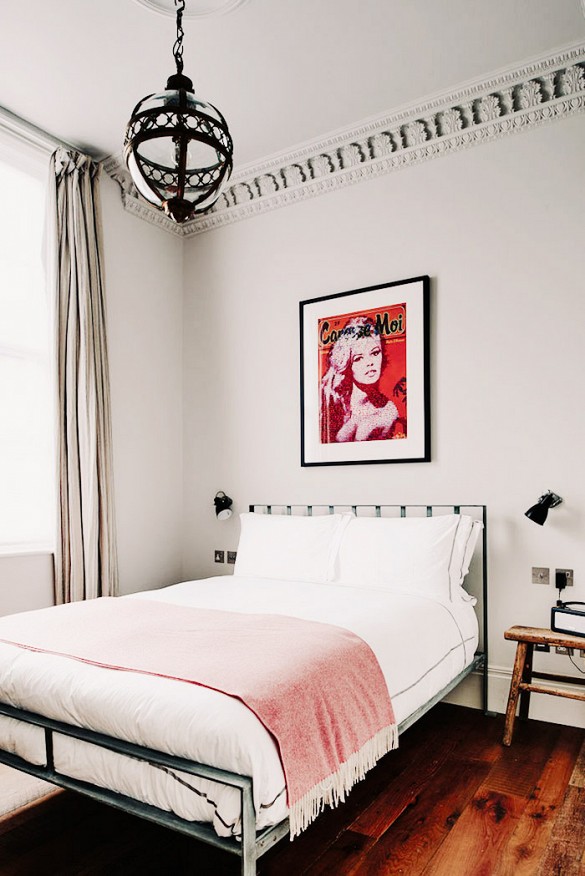
Source: Artist Residence
For this small bedroom, I wanted a coherent country cottage design with modern touches through lighting and other accessories.
This Dorel Manila Metal bed from Taget was $117.

Source: Target
This Koppang 3 drawer chest from IKEA is only $100 and complements the cottage vibe that we are going for. Customize it with new knobs from Anthropologie.
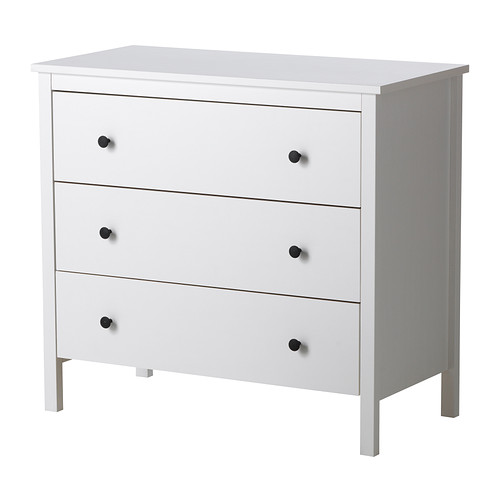
Source: IKEA
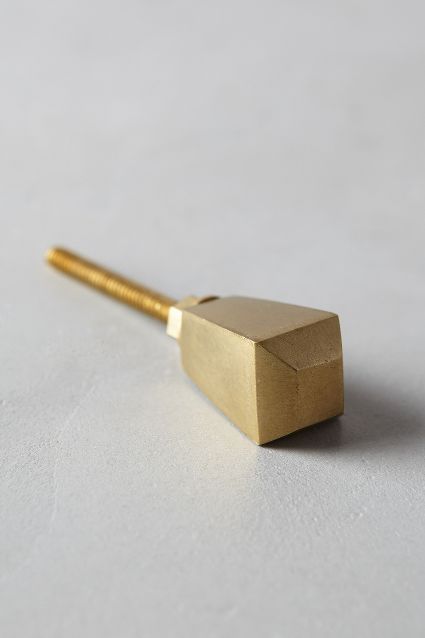
This Gallop Knob ($10/knob) from Anthropologie works with the traditional design of the chest while adding a bit of uniqueness to the standard dresser. This adds $60 to the total budget but makes the cheap IKEA chest looks much more expensive. Mixing brass into the decor adds a bit of glamour and color to an otherwise neutral palette.

Source: Anthropologie
Another knob option is the Glinted Prism Knob ($8.00/knob).
Source: Anthropologie
We can add a mirror with clean lines to reflect light. It also gives a sense of a bigger space to this small bedroom. IKEA Stave Mirror for $30 is a great option. There are other colors and you can also paint it as well. Keep it simple with black to pop against the white and brass.

Source: IKEA
Add this small and colorful IKEA Akerulla rug ($30) to the side of the bed for an instant pop of color.

Source: IKEA
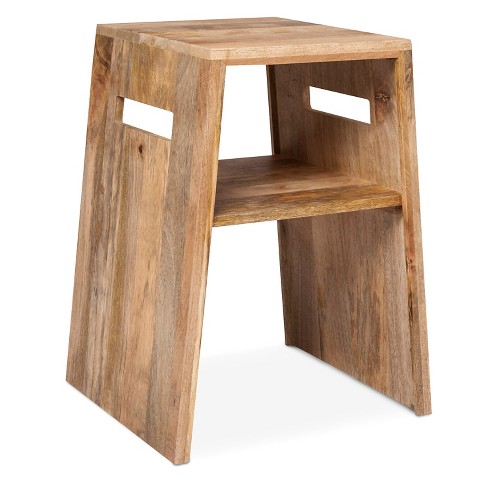
Add something completely different to the mix to make it look a bit more interesting. I really like this Target Threshold Wooden Accent Table ($70) for this room as it has clean modern lines and a nice wood tone. The color adds a bit of warmth to an overall sterile space.
Source: Target
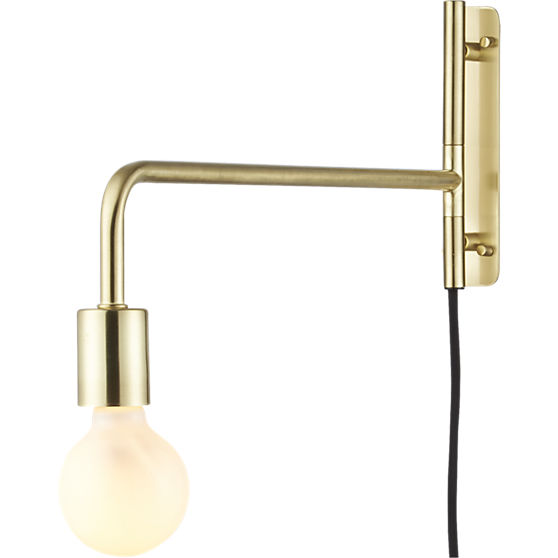
I love this Swing Arm Sconce from CB2 ($90) as it has a whimsical industrial look that also saves space and adds some oomph to an otherwise basic cottage bedroom.
Source: CB2
There are many mattress options out there and you should definitely price those options out. There is a new vendor to this crowded field that has a whole new way to deliver mattresses. They also have a lot of good reviews. As this is a weekend house, you do not need to spend a ton of money on a mattress. The Casper twin mattress retails for $500.

Source: Casper
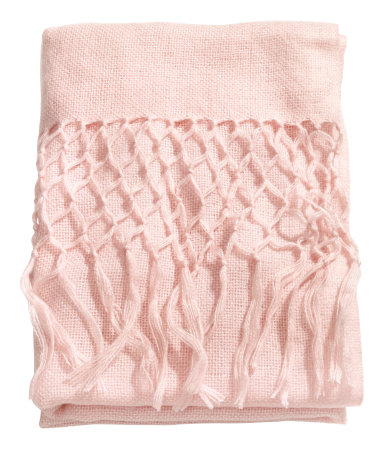
Ideally you should keep your bedding white for this small room but you can play up the texture and color with a throw at the end of the bed like this affordable fringe throw ($35) from H&M.
Source: H&M Home
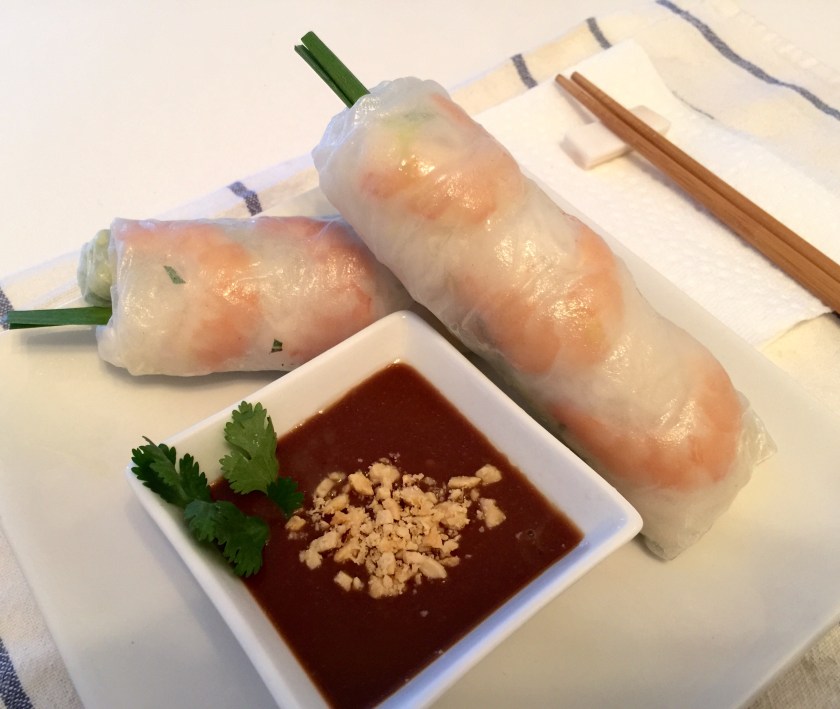
For those who have tried the famous summer rolls (rice paper wrapped with boiled shrimp, rice noodles, and herbs), you may have dipped them into a peanut sauce. Many people assumed that the peanut sauce is just hoisin sauce mixed with peanut butter. That’s the short cut way of making a decent dipping sauce but it really lacks the depth that you would get from a restaurant’s peanut sauce.
With Henry (Eat collaborator), we made the home version of the restaurant’s peanut sauce. This does take some time to make but will last in your fridge for 2-3 weeks. You can use it as a sauce for an easy dinner of spring rolls or toss it with noodles and vegetables for a quick noodle salad bowl. You can even have a summer rolls party where guests can assemble their own version to their taste.
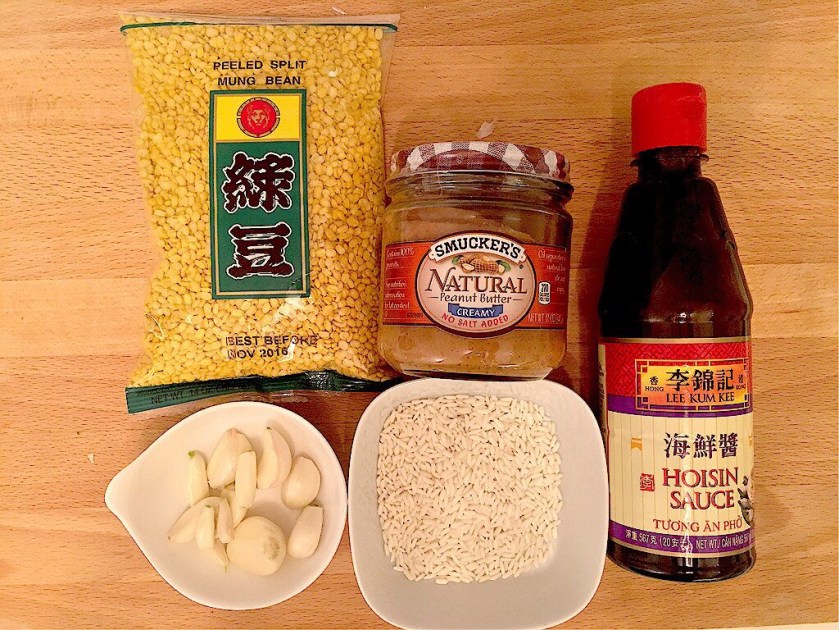
2 tbs split mung bean (you may need to find this at an Asian grocer)
2 tbs sweet rice (this is glutenous rice and very different from plain jasmine rice)
2 cups of water or 2 cups of coconut soda (Coco Rico is the best)
3 heaping teaspoon of peanut butter
1 ½ cup of hoisin sauce
2 tbs sriracha or 1 large squeeze from the bottle (missing from the picture below)
1 tsp minced garlic
1 tbs vegetable oil
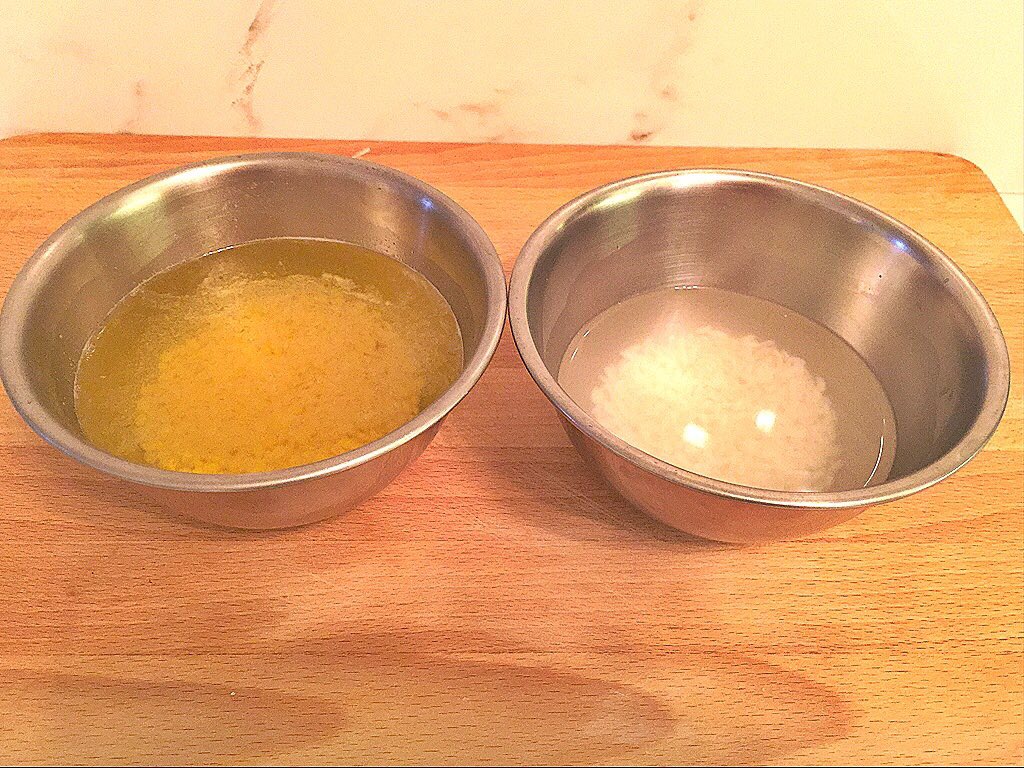
Soak mung bean and sweet rice in water for at least 1 hour and drain.
Source: Laviepartagee.com
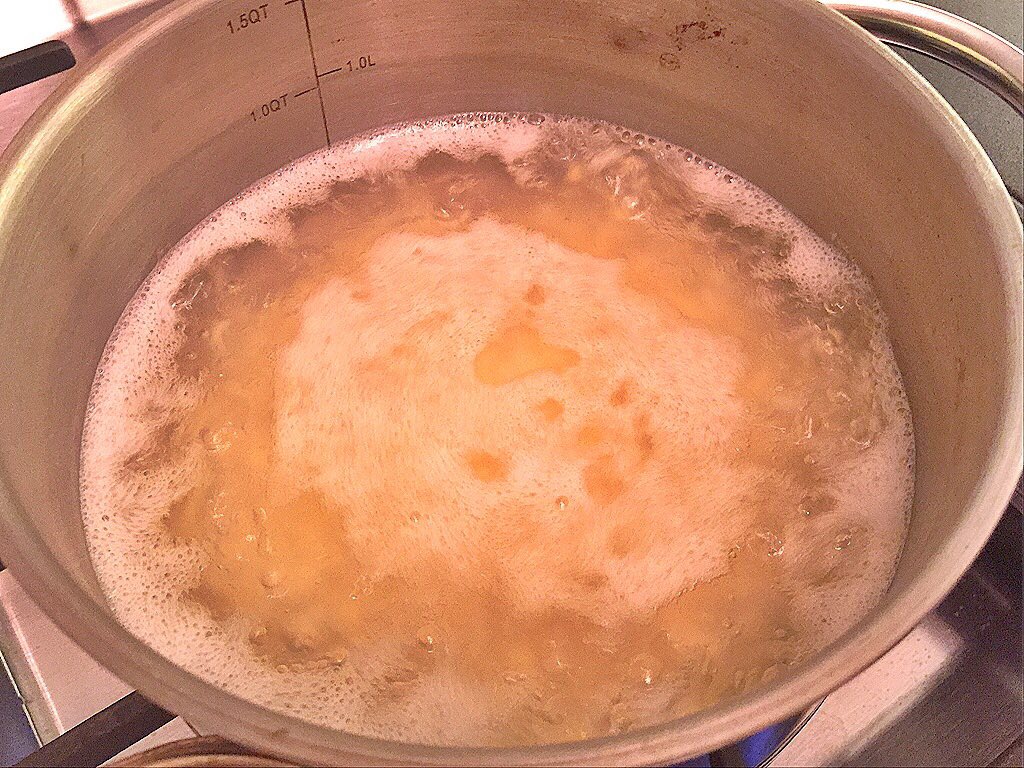
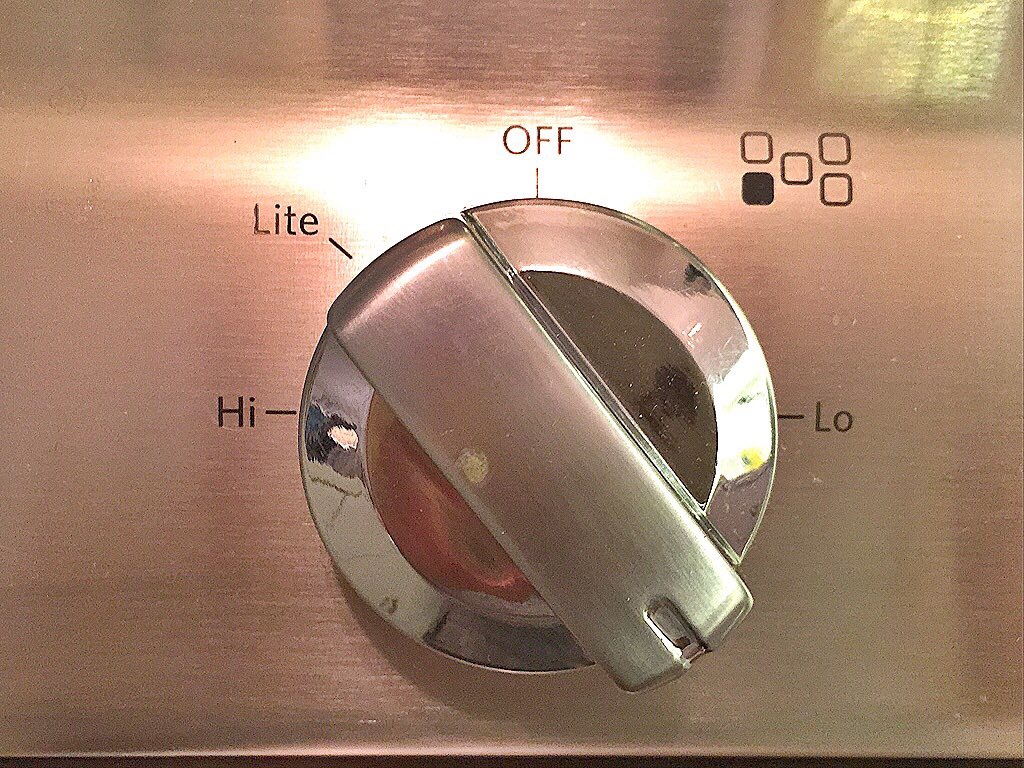
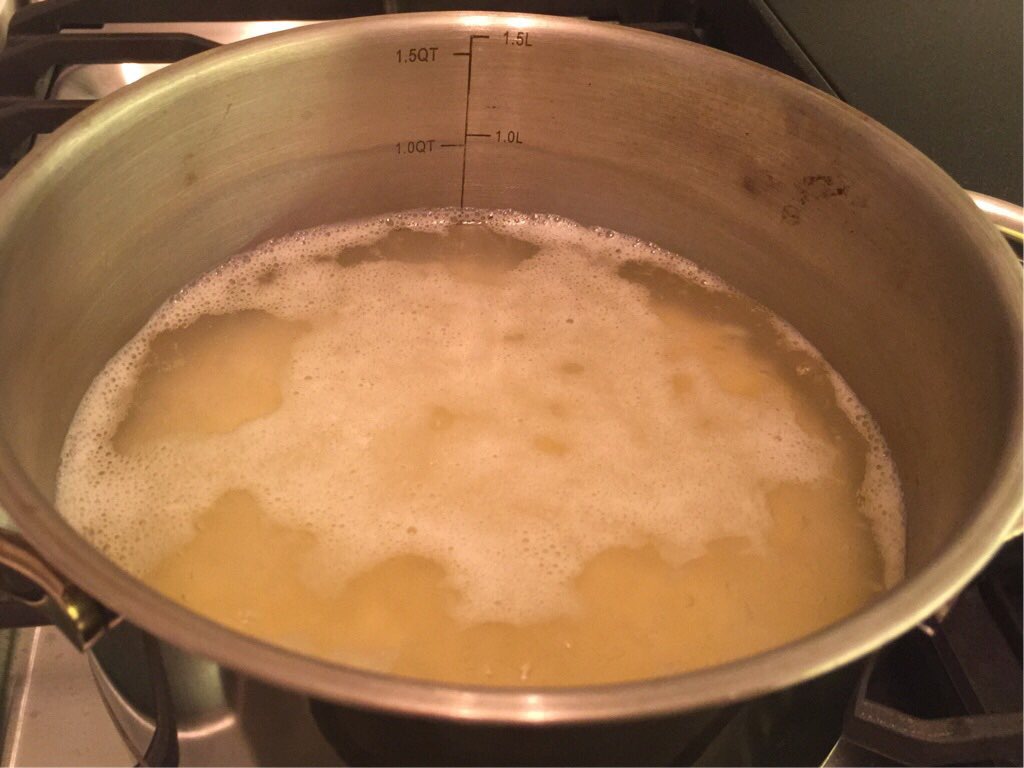
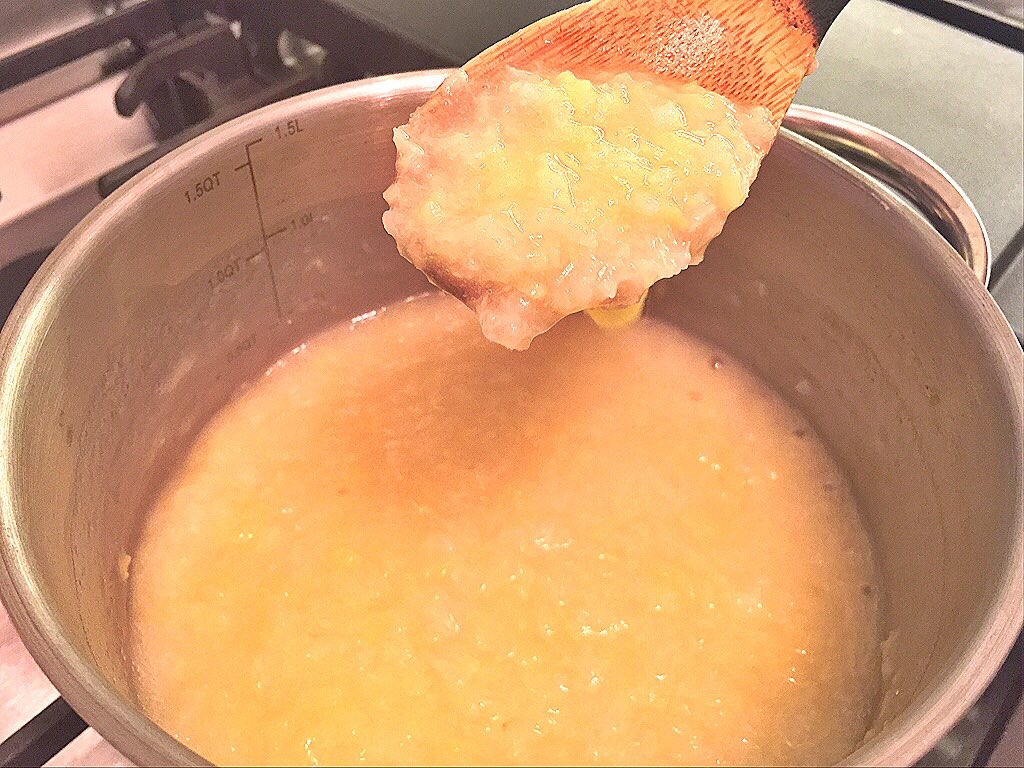
Bring 2 cups of water, mung bean, and sweet rice to a boil (on high) and then turn down the heat to a simmer until the rice falls apart and becomes like porridge. Stir occasionally. This process should take approximately 20 minutes.
Source: Laviepartagee.com
Source: Laviepartagee.com
Source: Laviepartagee.com
Source: Laviepartagee.com
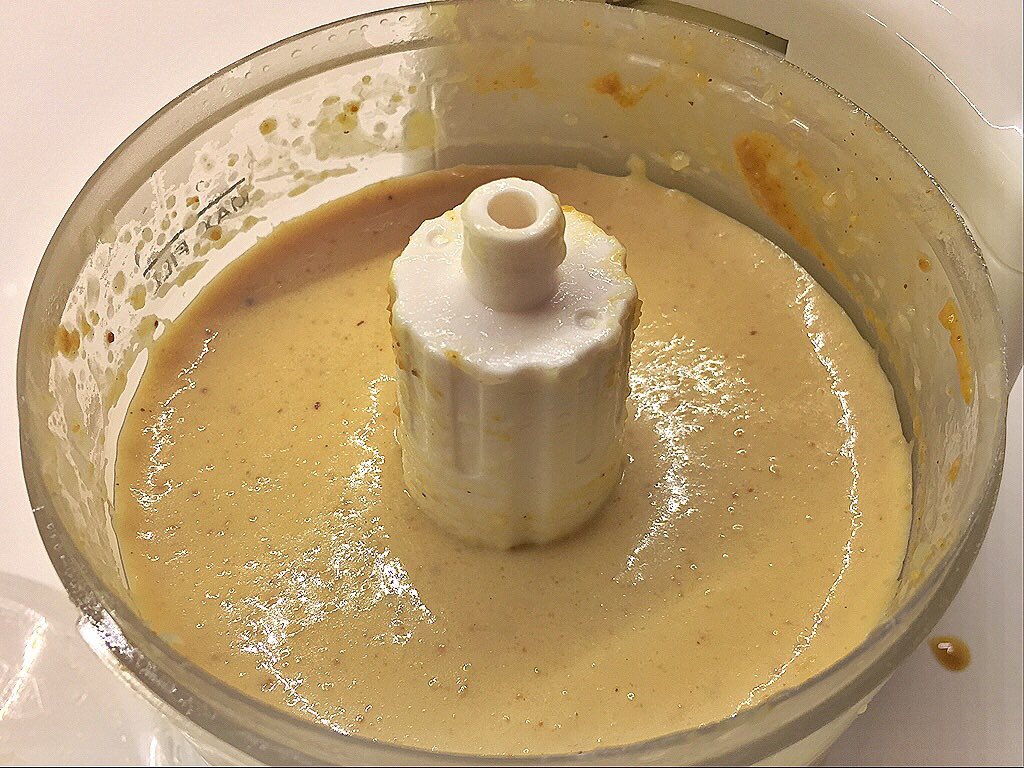
Transfer the liquid to a blender and add all of the peanut butter. Blend until all the ingredients are incorporated.
Source: Laviepartagee.com

Source: Laviepartagee.com
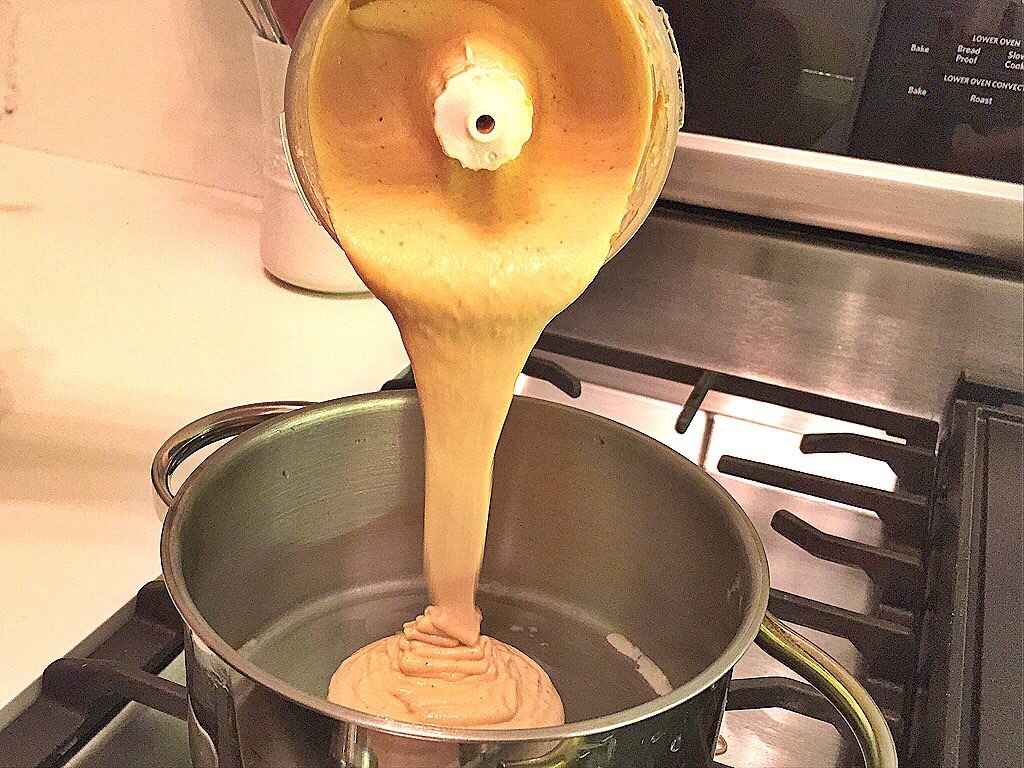
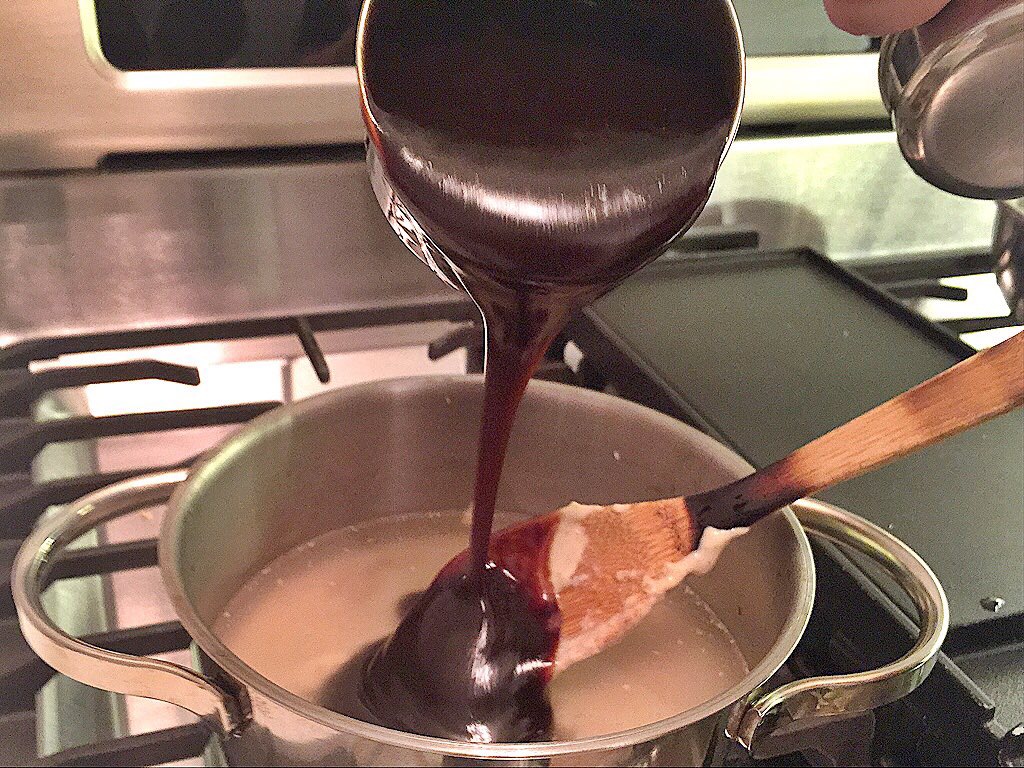
Transfer the sauce back to the pot and put on low heat. Add the hoisin sauce and 2 tbs of sriracha.
Source: Laviepartagee.com
Source: Laviepartagee.com
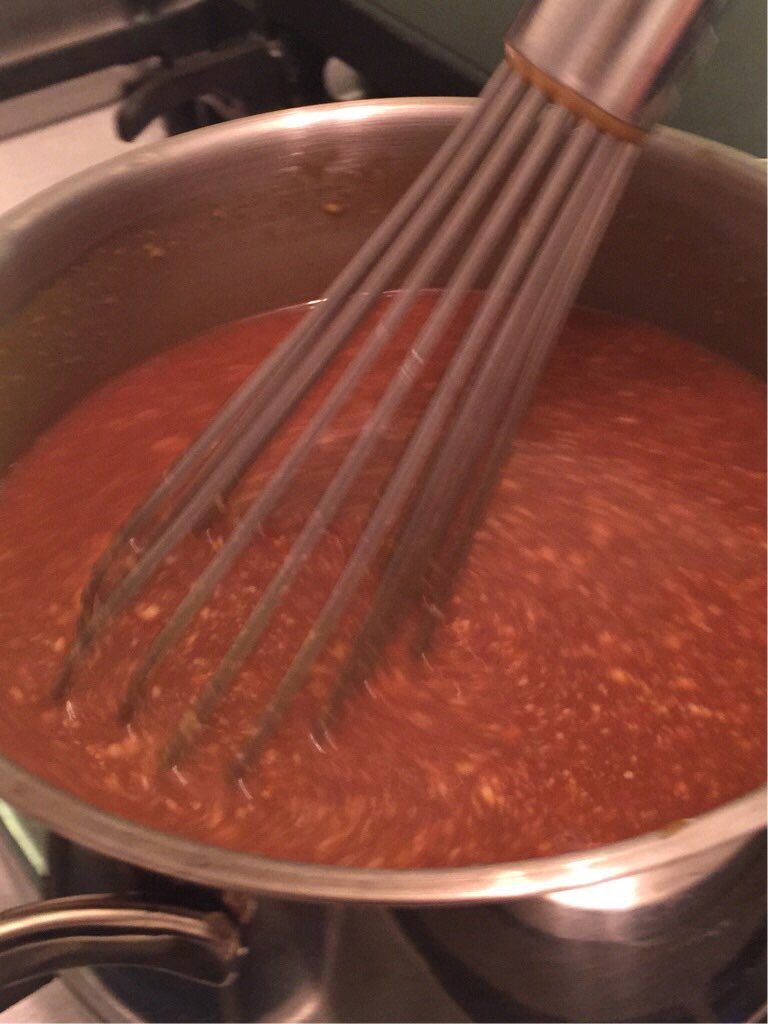
Stir on medium/low heat until the sauce boils. Turn off the heat and let the sauce cool.
Source: Laviepartagee.com
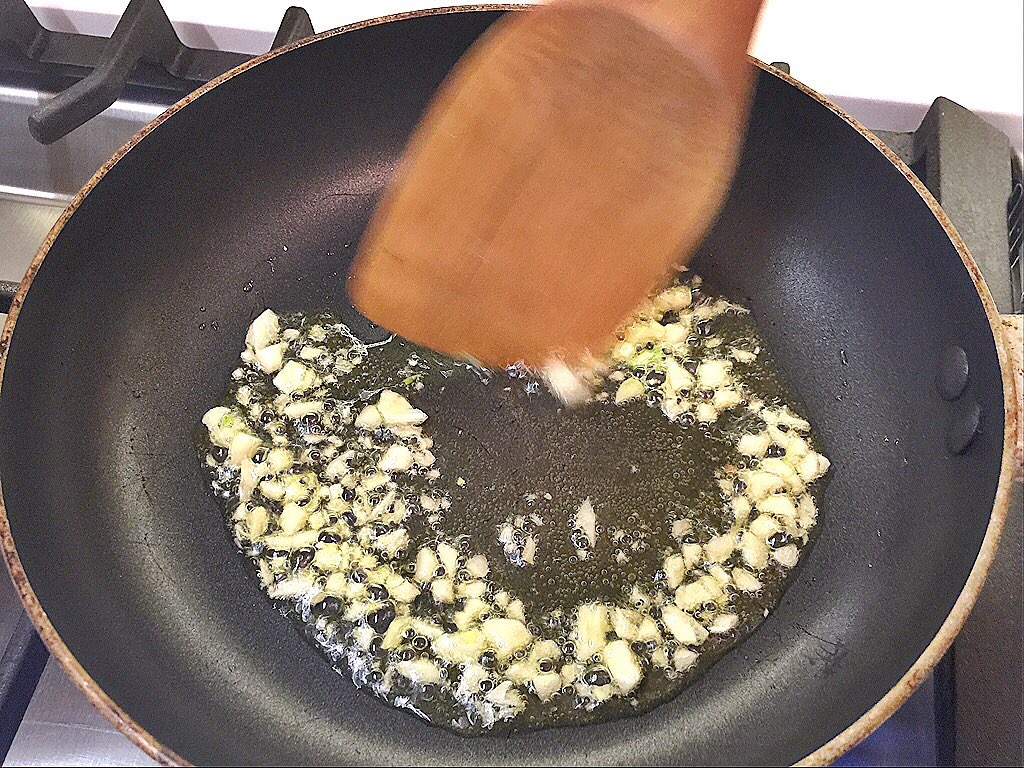
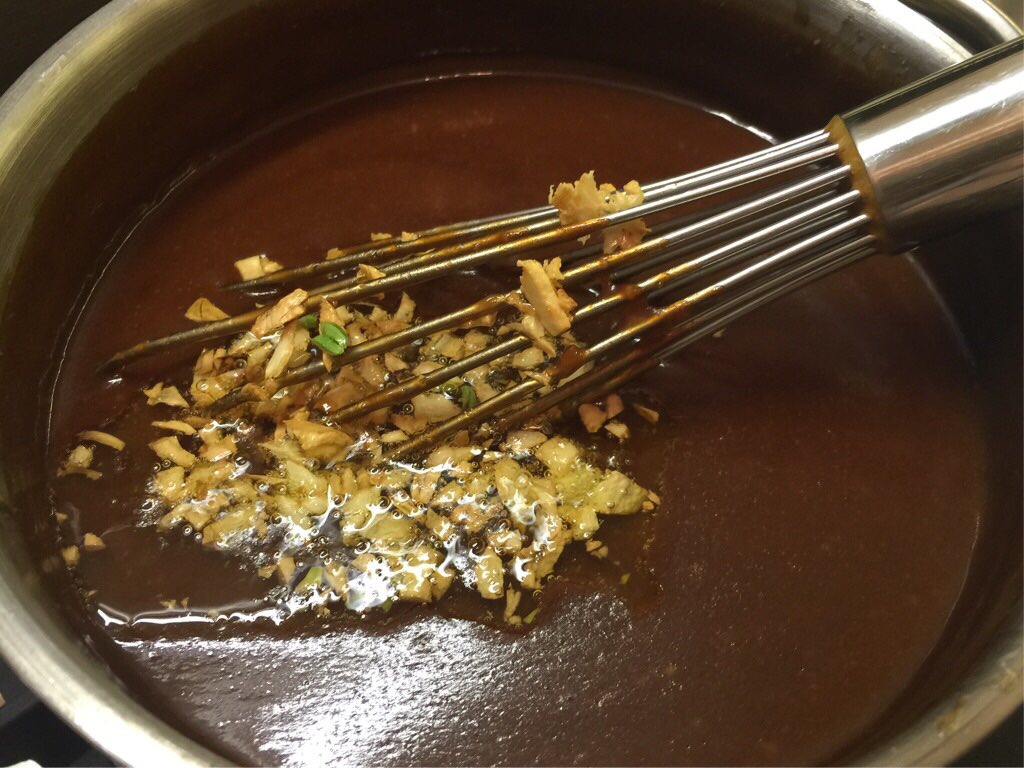
At the end, add some garlic oil and mix into the mixture for a more fragrant flavor. In a small pan, heat up extra virgin olive oil and minced garlic until the garlic is brown. Discard the garlic.
Source: Laviepartagee.com
Source: Laviepartagee.com
You can replace the water with 2 cups of coconut soda to add a little bit of sweetness to the peanut sauce as well.

Source: Pinterest

After sampling the eclectic selections of dining venues in Paris, it is time to look for places to drink, shop, and be merry. The thing that Parisians do so well is to enjoy life with a certain “je ne sais quoi” attitude. My favorite afternoon activities while living in Paris was to watch people go by and invent stories for them. It is very much a tradition in Paris to meet up with friends for chit chat at anytime of the day.
Wahiba: “a cool polaroid shop”

Source: http://superfuture.com/
Wahiba: “a wonderful bookshop with a lot of art and photo books”

Source: http://ofrsystem.com/
Wahiba: “a great bakery”

Source: http://andrewzimmern.com
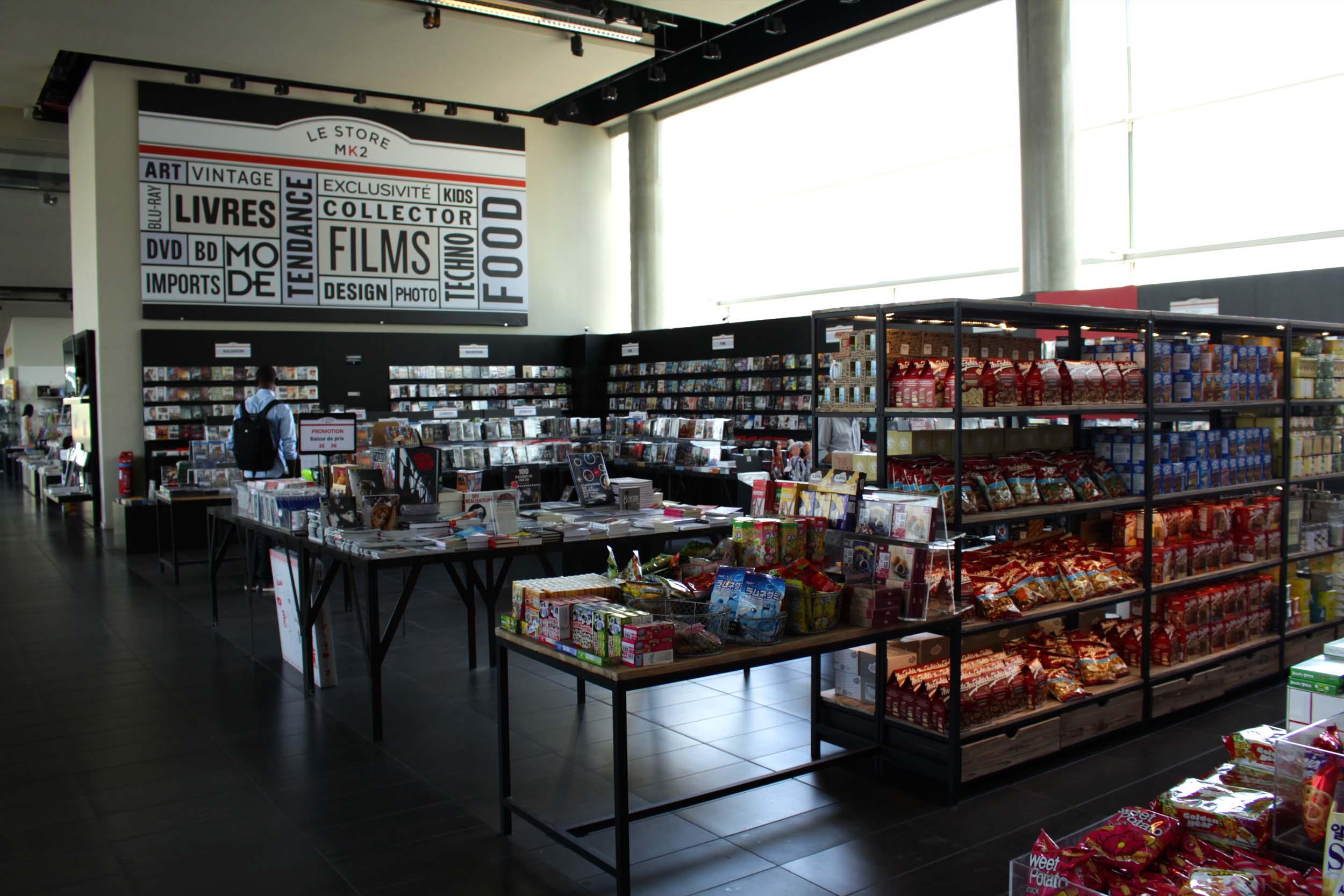
Wahiba: “a concept-store”
Source: http://www.mk2.com
Wahiba: “an interesting bookshop”
Wahiba: “gorgeous desserts in a very innovative interior design”
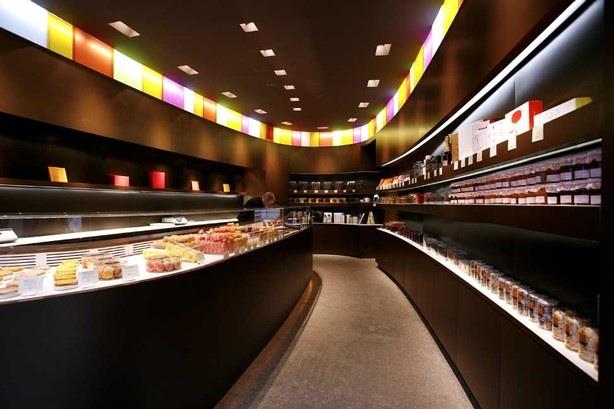
Source: http://www.scoutparis.com
Wahiba: “gorgeous charcuterie”
Wahiba: “The owner, a lover of ‘natural’ wine, has been operating in Paris for 16 years, and of the 1200 wines on offer, 80% are produced organically, while the rest are more traditional. The owner knows each supplier personally, most of them are independent French wine growers.”
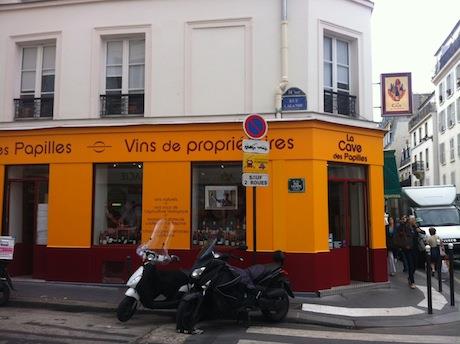
Source: http://girlsguidetoparis.com
Wahiba: “a large selection of vinyl (jazz, blues, rock, electro, soundtracks and the rest)”
Wahiba: “a curiosity shop/gallery/bookshop”
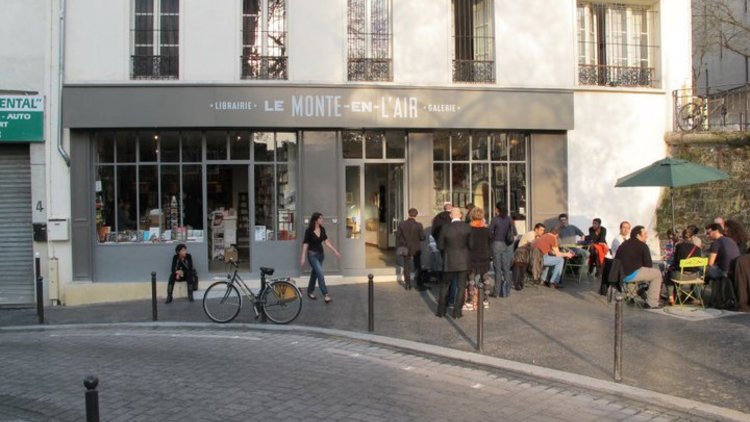
Source: http://www.timeout.com/
Wahiba: “A very typical old school Parisian club. It was built in the heart of the popular Belleville area and the building has not changed much since. Warm and intimate atmosphere, fair prices and a mixed crowd”
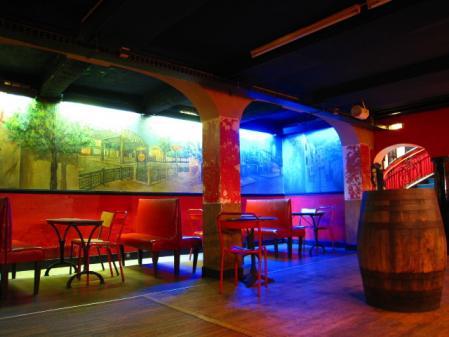
Source: http://www.planeteparis.fr/

Source: http://www.uja.fr/

Source: http://www.sofrenchy.net/

Source: http://arhum.fr/
Source: http://timeout.com/

Source: http://timeout.com/
Source: SpaThemae

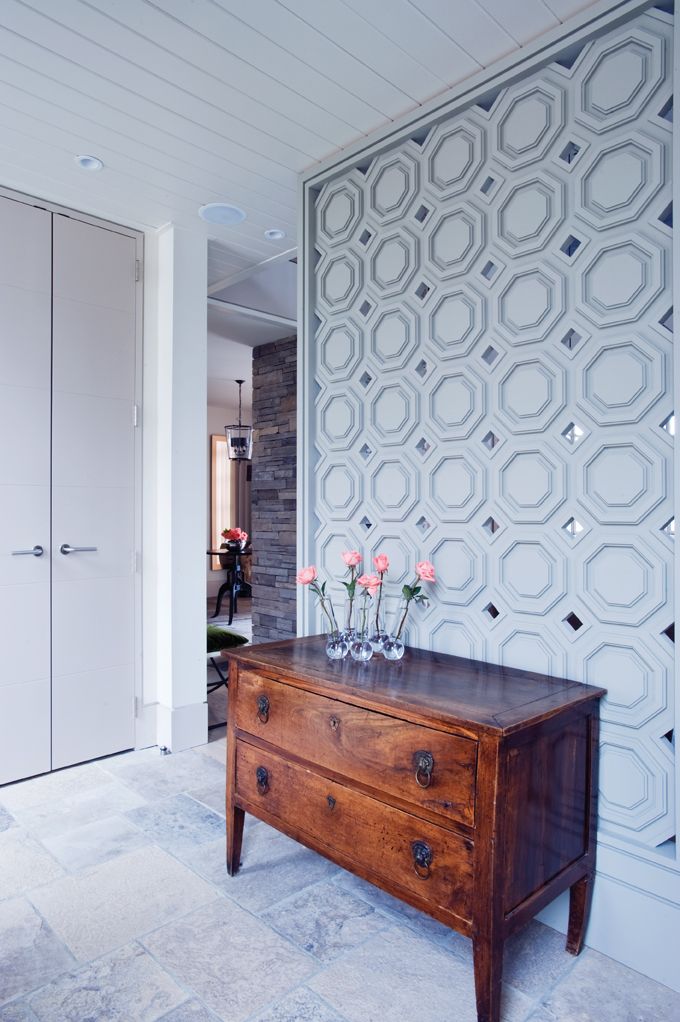
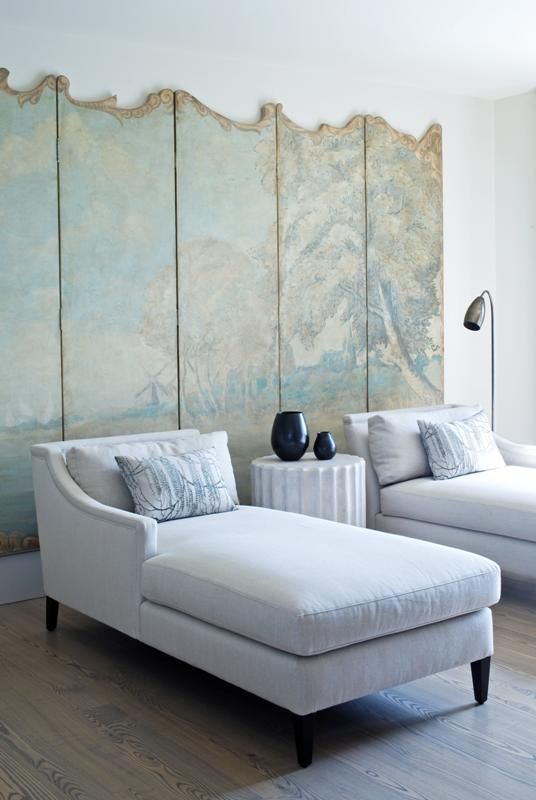
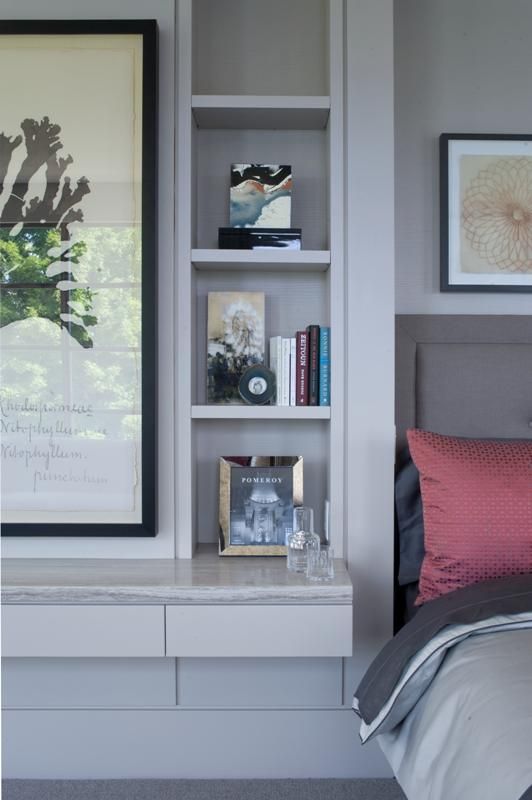
With the weather in NYC warming up into the 60’s and 70’s, I yearn to escape the concrete jungle. I saw this country house featured on House & Home (Canada) last year. I still think about the house today. It is a classic combination of coziness, modern, eclectic, and glamorous. I would not mind hiding away here for awhile.

Source: http://www.kimberleyseldon.com
You can also check out the full photo gallery at Kimberly Seldon’s site.
What I love about this interior is the open layout and the grand scale of the space. It is also decorated unlike what one would think of a “weekend house”.
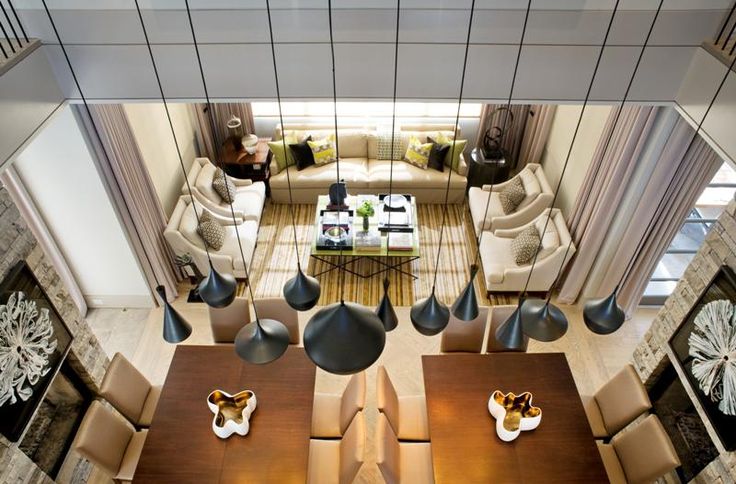
Source: http://kimberleyseldon.com/
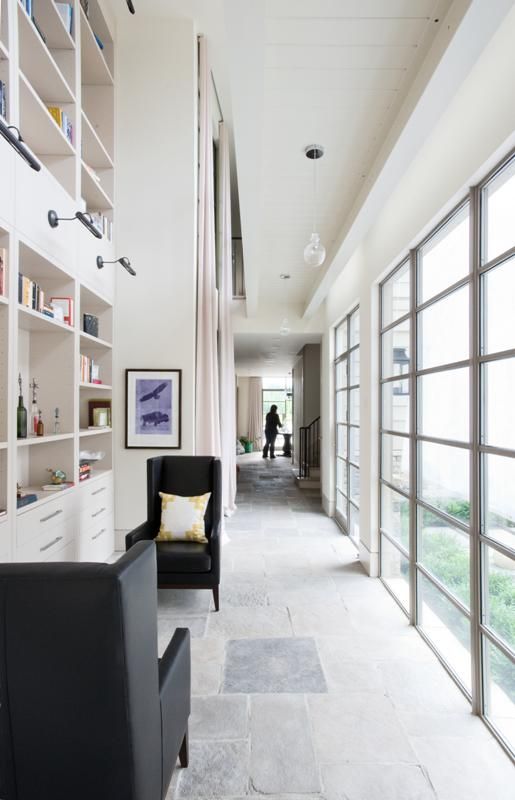
Source: http://kimberleyseldon.com/

Source: http://kimberleyseldon.com/
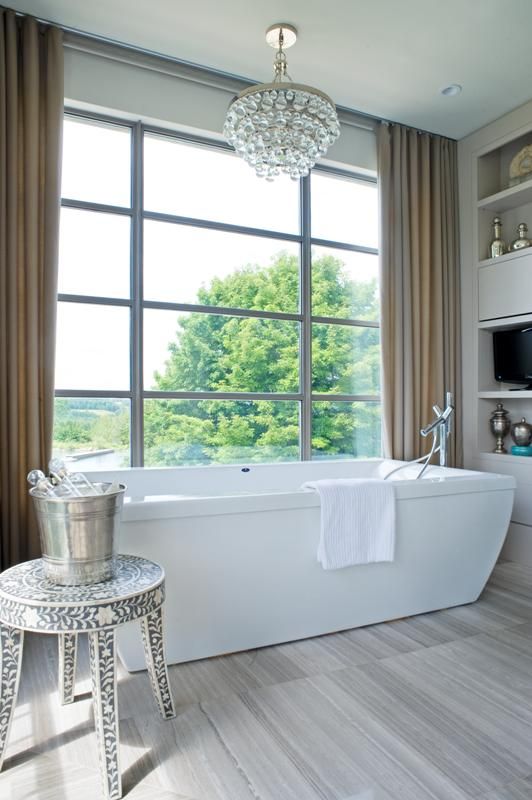
Source: http://kimberleyseldon.com/
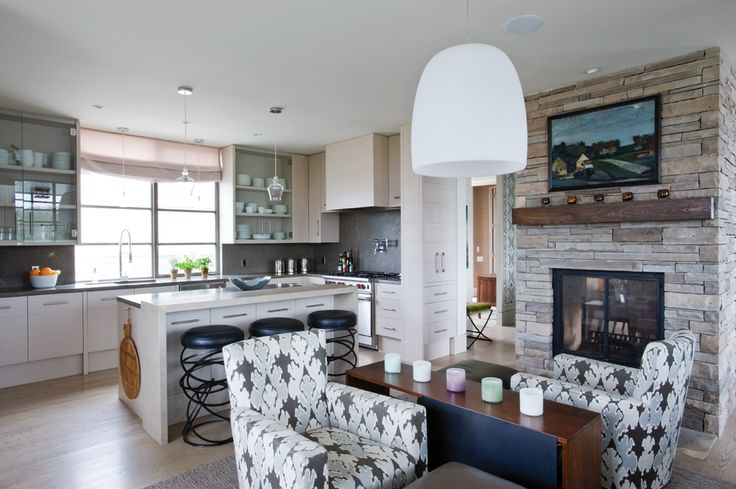
Source: http://kimberleyseldon.com/
Source: http://kimberleyseldon.com/
Source: http://kimberleyseldon.com/
Source: http://kimberleyseldon.com/

Some of my favorite childhood afternoon snacks are a bowl of silken tofu custard topped with spoonfuls of ginger syrup or chè trôi nước. The common denominator was the sweet and slightly spicy ginger syrup. Unfortunately, it takes some time to make either of those desserts in the traditional way. My mom came up with a brilliant solution for the semi-homemade snacks, which I will explore today.
Chè is a vietnamese sweet dessert “soup”. It is generally filled with various ingredients from beans to gelatin in a “soup” form served as an afternoon snack on the streets of Vietnam. Chè trôi nước is a Vietnamese dessert consisting of balls made from mung bean paste wrapped in a shell made of glutinous rice flour. The balls are served in a thick, sweet clear or brown liquid made of water, sugar, and grated ginger root. In this post, we will tackle the easy version of chè trôi nước or sesame mochi dessert in a ginger syrup. We will top this dessert with some coconut cream and toasted sesame seeds.
The semi-homemade part is the mochi balls. Instead of slaving away making mochi balls filled with mung bean, visit the asian supermarket. In the freezer aisle, you will likely find some type of mochi balls filled with beans or sesame filling ready to be boiled. This is my mom’s substitute for making the traditional mochi balls. It will cut the time to make this dessert in half.
The coconut cream is a common topping for many chè. Once you have master this easy topping, you can even use it on other desserts as well.
This recipe serves between 4-6 people, at approximately 1 small rice bowl portion per person.
1 package of frozen mini sesame rice balls or any rice balls filled with beans (Chinese uncooked dessert in the frozen aisle)

Source: laviepartagee.com
1 cup of light brown sugar
2 cups of water
⅛ cup of julienne ginger root
1 14 oz can of coconut cream
2 teaspoon of sugar
½ teaspoon of salt
1 tablespoon of tapioca flour
1 tablespoon of water

Source: laviepartagee.com
In a 2 qt saucepan, bring water, brown sugar and ginger to a boil. Once the mixture boils, turn the heat to low and let it simmer for 12-15 minutes. Stir occasionally.

Source: laviepartagee.com
While the ginger syrup simmers, prepare the sesame mochi balls and coconut cream.
In a second saucepan (approx 1.5-2 quart capacity), fill it ¾ with water. Bring the water to a boil. Once the water boils, carefully place the frozen sesame mochi balls into the boiling water. Turn the heat to medium and make sure the water does not boil continuously. This will break up the mochi balls.

Source: laviepartagee.com

Source: laviepartagee.com
When the mochi balls float to the top, use a slotted spoon and carefully add them to the ginger syrup. Let the mochi balls and ginger syrup simmer together for another 5 minutes or until the rice balls plump fully. This process also allows for the sesame mochi balls to fully absorb the ginger syrup. Turn off the heat and let cool.

Source: laviepartagee.com
In a small mixing bowl, mix 1 tablespoon of tapioca flour with 1 tablespoon of cold water. Stir until the mixture is fully incorporated and set aside.
In a third small sauce pan set on medium heat, bring the coconut cream, 2 teaspoon of sugar and ½ teaspoon of salt to a simmer. Stir continuously until the bubbles start to form. Make sure the mixture is not boiling over the top. Once the bubbles are formed, add the tapioca/water mixture to the pot while stirring continuously. Continue to stir for another 1-2 minutes until the coconut cream thickens. Turn off the heat.

Source: laviepartagee.com

Source: laviepartagee.com
Now you can assemble the sesame mochi balls in ginger syrup dessert. This dessert is best served warm or at room temperature. Place a few sesame mochi balls in a small bowl. Fill to the top of the mochi balls with the ginger syrup.

Source: laviepartagee.com
Top with a large spoon of coconut cream and a sprinkle of toasted sesame seeds. (see the featured photo for the final product)

Source: laviepartagee.com

Sourxe: laviepartagee.com
Enjoy this delicious semi homemade take on the classic Vietnamese chè trôi nướcc.
For more recipes, visit our EAT page or Recipe Index.

A food wisdom from the one and only, Julia Child

I am excited to start a new travel series on this blog where La Vie Partagée will collaborate with locals that live around the world to write their Must Do’s in their own playground. Our first post in this series will be about the second city closest to my heart: Paris.
Wahiba is a friend I met when I interned at Accenture in Paris. She is a chic, young Parisian. Fast forward a few years later, we are still great friends and travel buddies. When I wanted to write about the current trends and new must dos from a Parisian perspective, I naturally went to the source. Wahiba was excited to share her favorite things to do and new places to see, eat, drink, and shop.
Source: Fondation Louis Vuitton
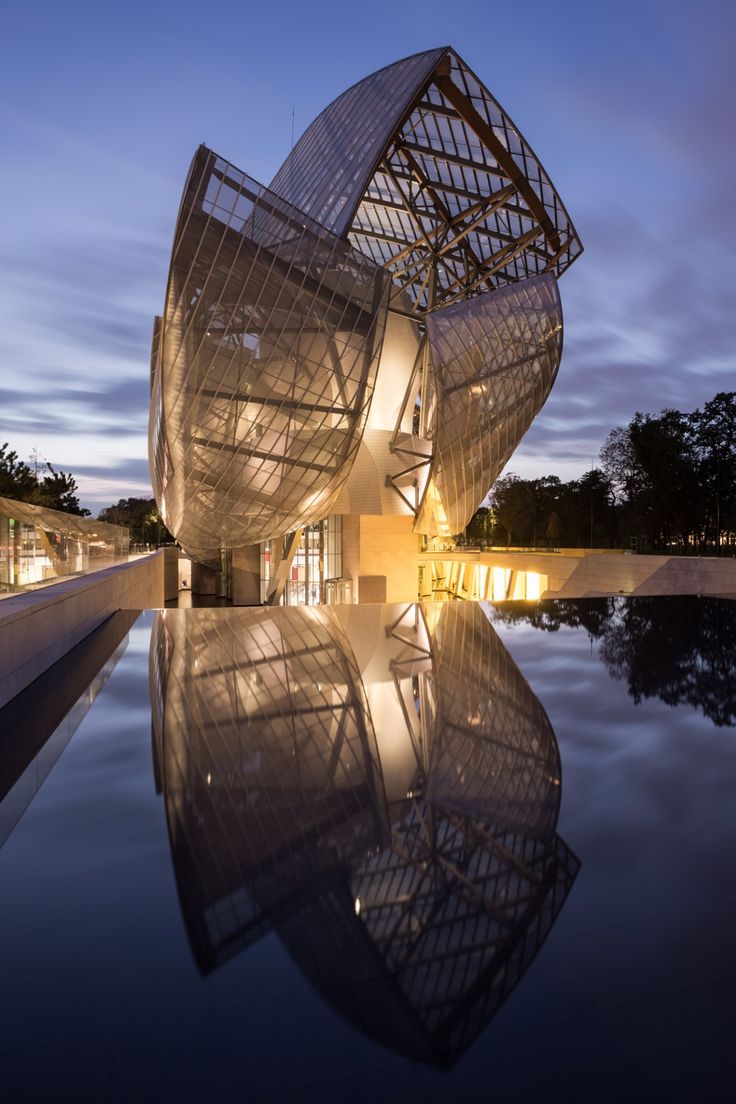
Besides the usual suspects that we all have come to know of Paris (Eiffel Tower, Louvre, etc), this is the newest attraction that sits on the edge of Bois de Boulogne. In 2006, LVMH commissioned famed American architect, Frank Gehry, to design a building that aims to promote and support contemporary artistic creation for a wide French and international audience. The foundation opened its doors to the public on October 27, 2014.
Wahiba: “A nice bistro with rustic decor”
Wahiba: “A nice wine bar that you should order a cheese plate with a good white wine!”
Wahiba: “A new restaurant that serves Basque tapas called pintxos, which are small snacks that can be eaten sitting or standing, as an individual meal or shared. The restaurant is owned by a Michelin-starred chef.”

Source: http://farago-pintxoclub.com/
Wahiba: “A creative, unconventional sushi restaurant, with bright pop colors on the walls and on your plate”
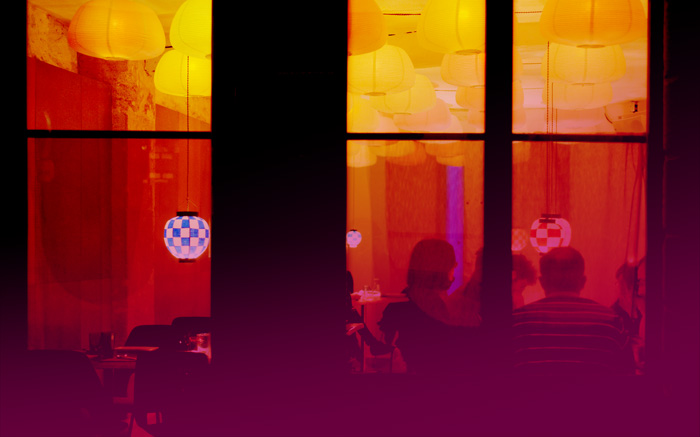
Wahiba: “For lunch – above an art house cinema in the Latin Quarter, this almost secret salon was put together by Catherine Deneuve and the interior decorator Christian Saper, like a Saint-Ouen flea market. A place of sixties inspiration, almost like an apartment, with a library corner, a dining room and a green terrace.”

Source: http://www.whynotproductions.fr
Wahiba: “Argentinean restaurant”
Wahiba: “This is an institution where the intellectuals hung out in the early 20th century like Man Ray, Miller, Hemingway, Sartre, André Breton etc. It is a late-night piano bar, upmarket restaurant and a more lovable brasserie.”

Source: (http://www.closeriedeslilas.fr/
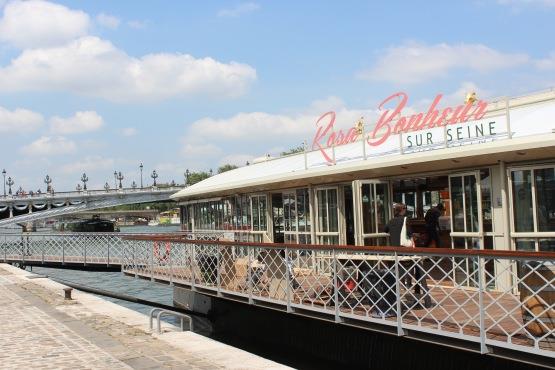
Wahiba: “Hidden out under the monumental vaulted of the Alexandre-III bridge, in a cozy contemporary decoration. The menu is chic classics. This is also a club at night.”
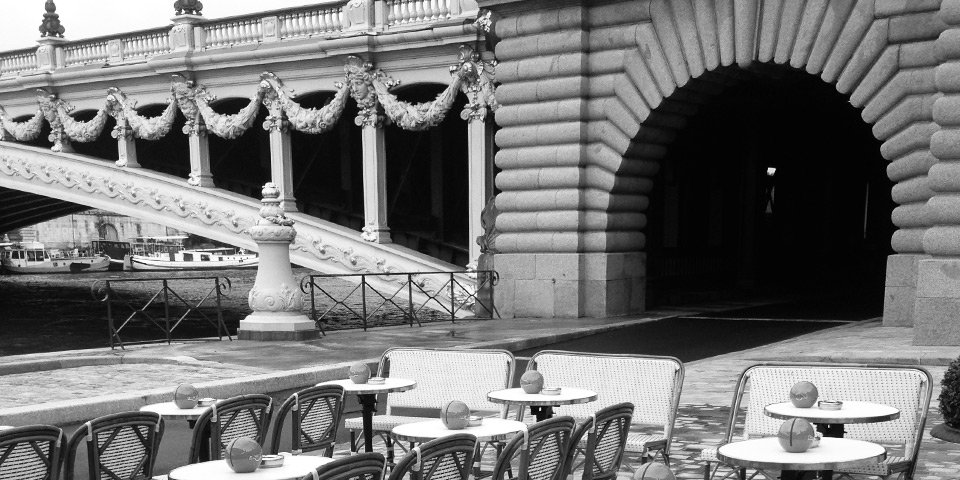
Source: Source: http://www.faustparis.fr
Wahiba: “A great gourmet restaurant”
Wahiba: “A nice bistro serving fresh food in a modern setting”

Wahiba: “A modern gastronomic restaurant in the Ile-Saint-Louis”
Wahiba: “Gourmet tapas”
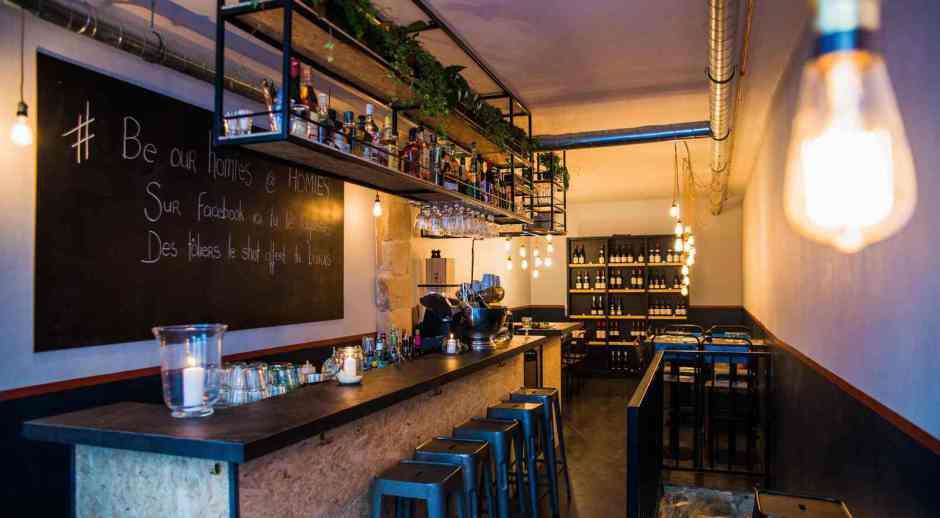
Source: http://www.homies-leresto.fr
Wahiba: “A contemporary freestyle menus set at one price”
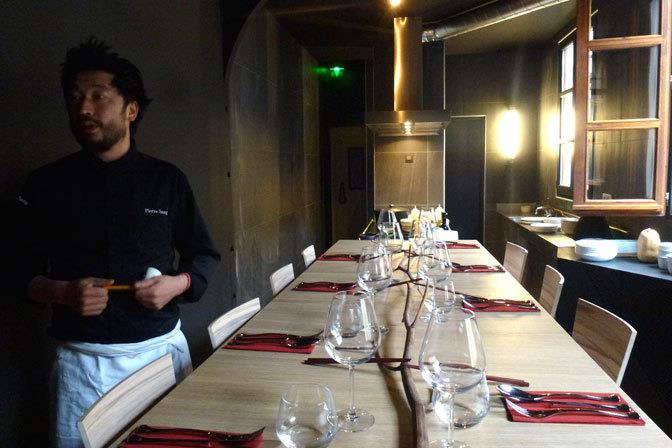
Source: http://lefooding.com/
Wahiba “Mexican food”
Wahiba: “A classical and traditional dining room with a warm and convivial atmosphere. The Chef proposes refined dishes inspired by southwestern classics. Good value for a sophisticated menu.”
Wahiba: “A creative bistro”
Wahiba: “Tapas and pinchos”
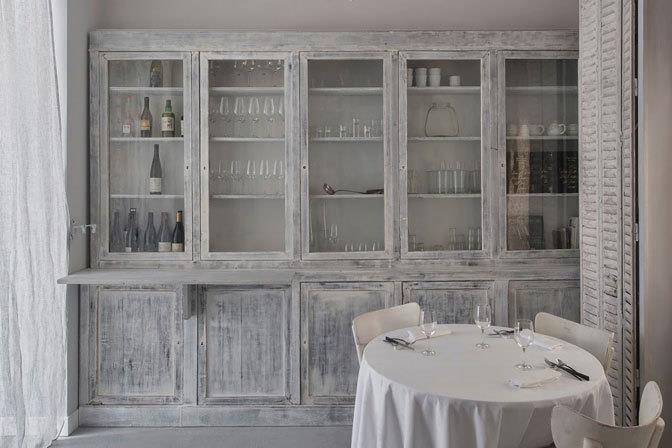
Wahiba: “A sophisticated restaurant serving upscale modern French food in a well designed country-chic”
Source: http://lefooding.com/
Wahiba: “A popular basque bistro“
Wahiba: “A great meat place”
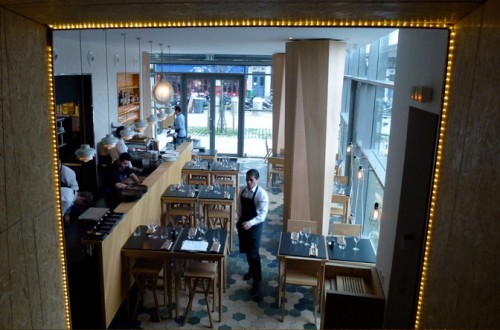
Wahiba “Serves excellent contemporary bistro cooking”
Source: http://lefooding.com/
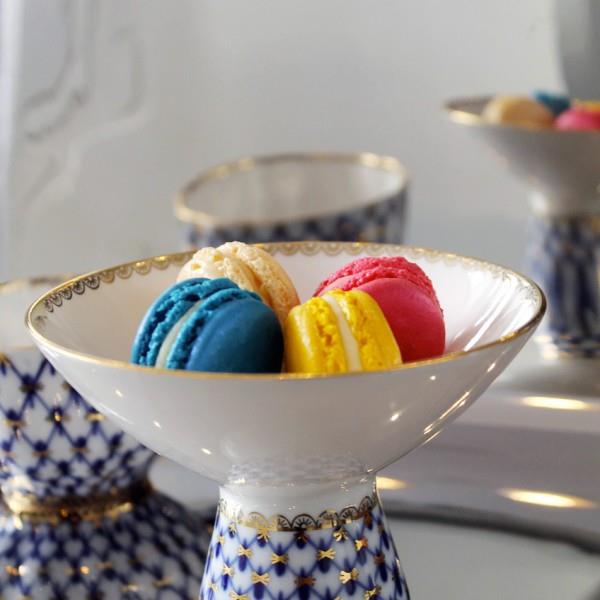
Wahiba: “A great tea room and macarons for the afternoon”

Source: http://acidemacaron.com/
Source: http://acidemacaron.com/
Wahiba: “A gourmet restaurant owned by a talented young chef (the Michelin Guide took the unusual step of awarding the restaurant a star in its first year)”
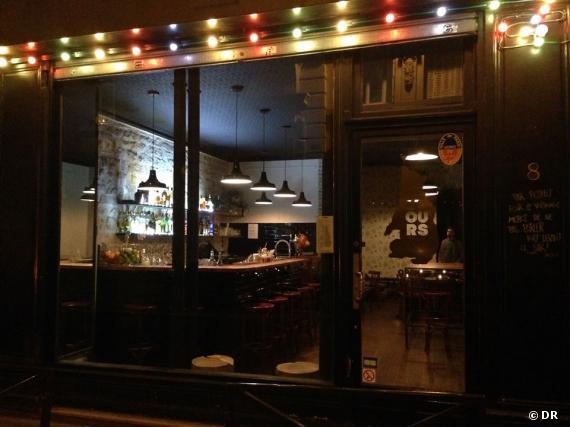
Now that you have eaten your fill of Paris, it’s time to drink and make merry. Check our post next week for part 2 of the Must Do’s in Paris.


 La Vie Partagée